A homeowner up in Auberry pays about $7,000 a year to insure his house. He asked his broker a reasonable question: if he hardened the place against wildfire, would he get a break on that bill? The answer came back flat — no discounts, no credits, nothing financial. "It just might keep your house from burning down."
That answer is wrong. And it is wrong in a way that quietly costs Sierra foothill families money at every single renewal.
We hear a version of it constantly in Auberry, Prather, Tollhouse, Shaver Lake, North Fork and Oakhurst. Here is what the law actually says, why brokers get it wrong, and the one sentence that gets a real answer.
What Is the Safer from Wildfires Regulation, and What Does It Require?
In 2022 the California Department of Insurance adopted a regulation called Safer from Wildfires, written into Insurance Code section 2644.9. It requires every admitted carrier in the state — plus the California FAIR Plan — to file rating plans that recognize wildfire mitigation. Translated out of insurance language: when you complete specific hardening work on your home, your carrier is legally obligated to charge you less for wildfire risk.
These are not token gestures. The Department of Insurance puts the required wildfire mitigation discount range at 4% to 40%, with the largest reductions reserved for the highest-risk properties — which describes most of the foothills above Fresno and Madera. The FAIR Plan offers up to 16.4% off the wildfire portion of a dwelling-fire premium once mitigation is documented.
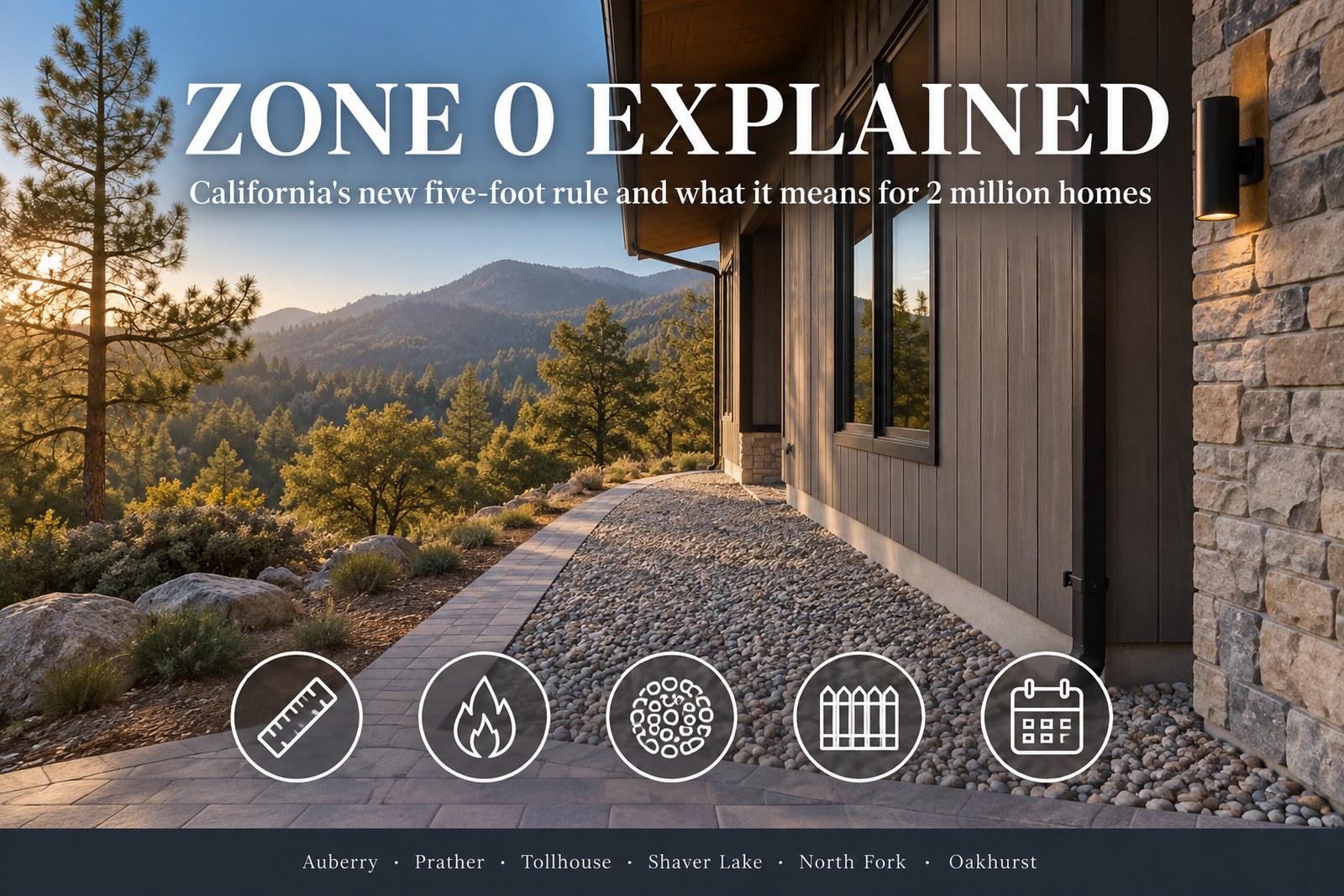
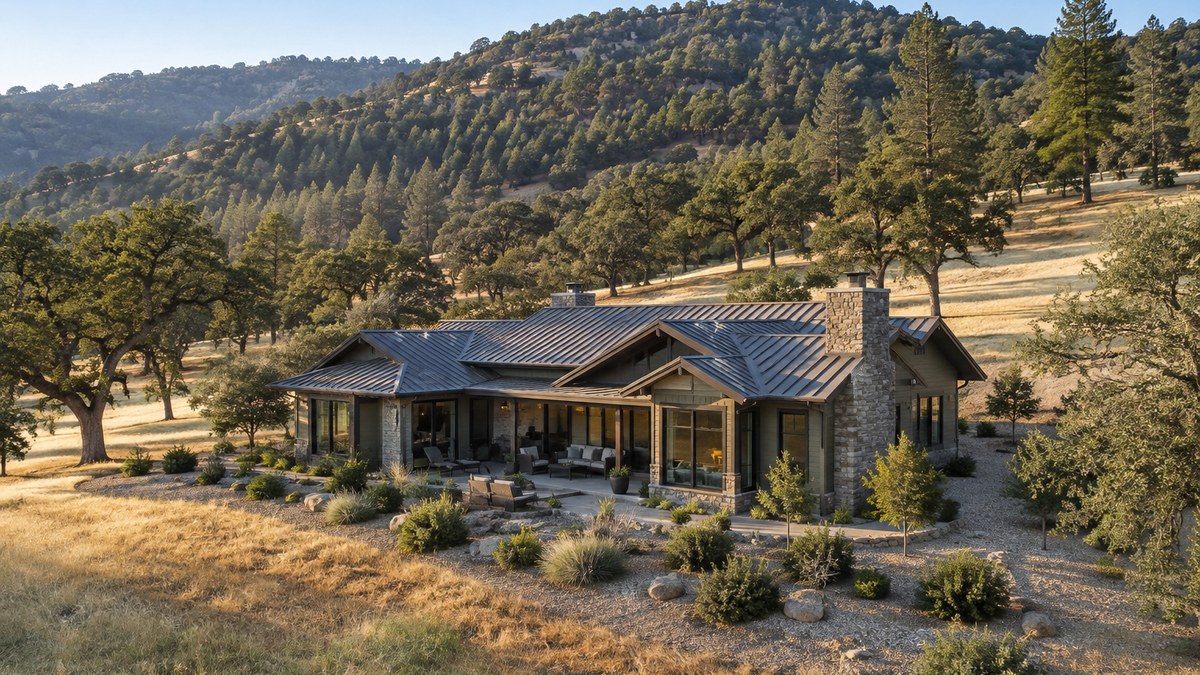
The regulation names twelve actions across three levels. The structure: a Class A fire-rated roof, ember-resistant vents, enclosed eaves, a noncombustible wall base, upgraded windows. The surroundings: the five-foot Zone 0 ember-resistant zone, cleared vegetation, combustibles moved off the walls, noncombustible fencing at the house. The community: Firewise USA recognition, which credits a whole neighborhood at once.
That list is the entire game — public, finite, and every item on it something a homeowner can go do.
Why Would a Broker Say There Are No Wildfire Insurance Discounts?
Three honest reasons, and one bad one.
First, the discount applies to the wildfire portion of your premium — not the whole bill. In a low-risk suburb that portion is small and the math rounds to pocket change. In a Very High Fire Hazard Severity Zone, wildfire risk is most of what you pay for, so the same percentage is real money.
Second, if a non-renewal pushed you onto a surplus-lines (non-admitted) carrier, the regulation does not bind them at all. Worth knowing — it is one more argument for working your way back to the admitted market.
Third, and this is the big one: the specific percentages live inside each carrier's approved rate filing, not in one tidy public table. A broker who asks an underwriter "any wildfire discounts?" gets a shrug, honestly reports the shrug, and everyone moves on. The question has to be precise to produce an answer.
The bad reason is simpler: some carriers do not volunteer what they are not asked for, and vague effort earns nothing. "I cleared some brush this spring" is not a rating factor. Carriers pay for documentation, not good intentions.
What Exact Question Should You Ask Your Carrier?
Call your broker or your carrier's service line and ask this, word for word:
"What is my wildfire risk score, and which mitigation discounts are in your Section 2644.9 filing?"
Two things happen when you use that sentence. Under the regulation, an admitted carrier has to tell you your wildfire risk score, explain how it was reached, and give you a route to appeal it if the score is wrong — and scores are often wrong, built off satellite imagery and stale parcel data rather than what is standing on your lot today. We have seen homes scored on vegetation removed years ago.
Second, naming the filing forces a specific answer about which of the twelve mitigation actions your carrier credits and by how much. If you get stonewalled, that is reportable to the Department of Insurance.
Write the sentence down before you dial, and ask for the answer in writing. If you would rather know which items your home already passes before that call, our team runs free 45-minute wildfire home hardening assessments across the Fresno and Madera foothills — see how a home hardening assessment works.
Which Home Hardening Work Actually Qualifies for a Discount?
Most of the twelve items are structural, not yard work — which is why this is licensed-contractor territory rather than a Saturday project.
Ember-resistant vents are usually the highest-value single upgrade — standard attic and foundation vents are open doors for windblown embers, and WUI-listed vents close them. Zone 0 conversion — hardening the first five feet around the structure — is next, because that strip is where most ember ignitions start. From there: enclosing open eaves, a noncombustible wall base, metal gutter guards, and metal transitions where a wood fence meets the siding.
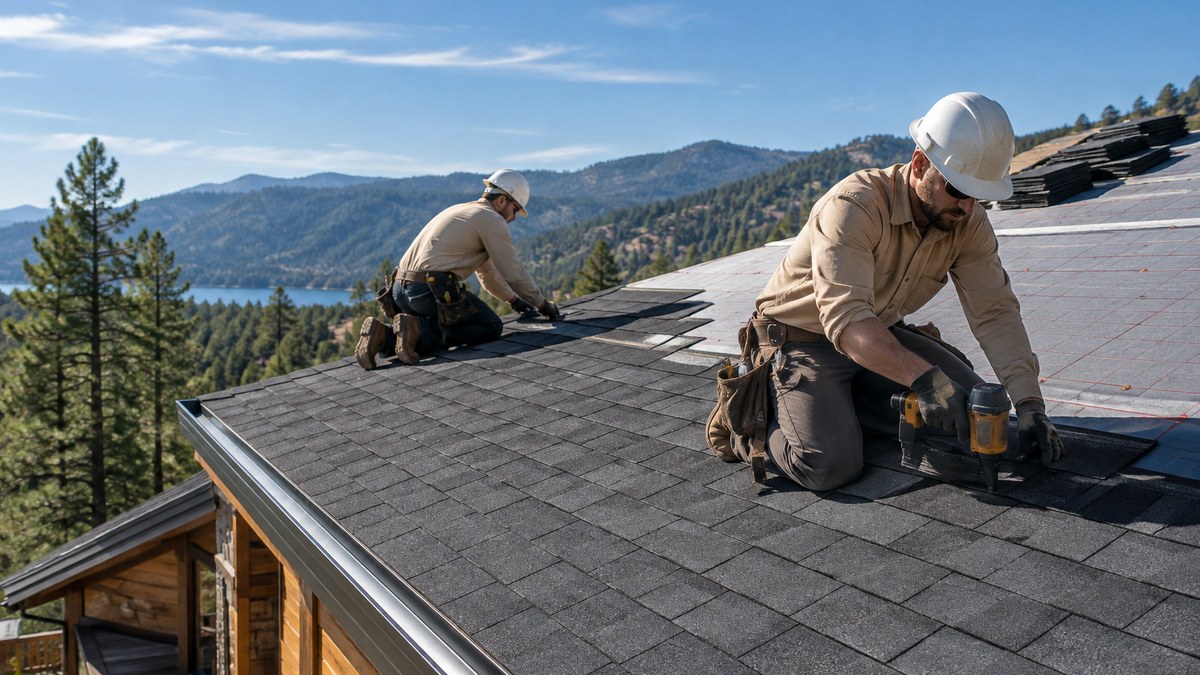
A Class A fire-rated roof sits on the same list — the quiet overlap in all of this. If your roof is already due, replacing it with a Class A assembly checks a regulated mitigation box at the same time, which is worth timing deliberately rather than in a panic after a leak.
Cost in this market runs from roughly $6,000 for a Zone 0 and vent package on a typical foothill home up to the $40,000 range for a full IBHS Wildfire Prepared Home certification path — the standard major carriers are committing to write new policies for. Financing available through Wisetack ($500–$65,000, 3–120 months, soft-pull prequalification, no credit impact; subject to credit approval, terms vary).
How Do Foothill Homeowners Prove the Work Was Done?
This is the step almost everyone skips, and it is why so much genuine mitigation earns nothing back.
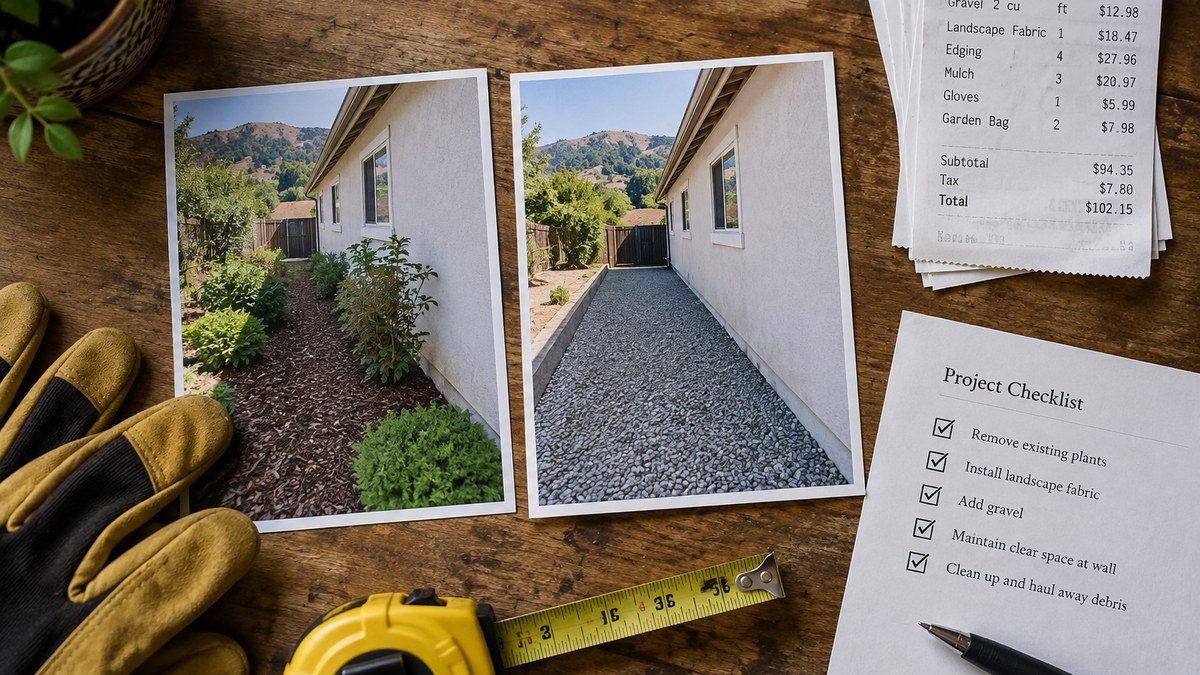
An underwriter in an office two hundred miles away cannot see your new vents. What moves a file is paperwork: dated before-and-after photos shot from fixed reference points, itemized receipts naming the WUI-listed products installed, your parcel's official Fire Hazard Severity Zone lookup, an inspection letter from a licensed contractor, and the twelve-point §2644.9 checklist completed line by line.
Assembled properly, that package works on three audiences at once — the FAIR Plan for its own credit while you are still stuck there, an admitted carrier's underwriter when you re-shop, and a future buyer's lender when you sell. We build it into every project and call it the Insurance Discount File: the hardware protects your house, and the file is what gets you paid for it.
If you have been told there is nothing available, get a second opinion. Forty-five minutes tells you which items your home passes, which it does not, and what that is worth at renewal — whether you hire us or not. Book a free foothill wildfire assessment.
Free 45-minute foothill wildfire assessment
We check your home against the twelve items carriers discount for, and hand you the documentation file.
Book a free assessmentor call (559) 550-6398
Frequently asked questions
Who is required to give a wildfire mitigation discount in California?
Every admitted homeowners insurance carrier in California, plus the California FAIR Plan, must file rating plans recognizing wildfire mitigation under Insurance Code §2644.9. Surplus-lines and non-admitted carriers are not covered by the rule, which is one practical reason foothill homeowners work to get back into the admitted market.
How much can a California wildfire insurance discount actually be worth?
The Department of Insurance sets the required range at 4% to 40%, applied to the wildfire portion of your premium, with the largest discounts going to the highest-risk homes. The FAIR Plan publishes up to 16.4% off the wildfire portion for documented mitigation. Your carrier's own filing decides the final figure.
What is a wildfire risk score, and can I dispute mine?
It is the score a carrier assigns your property to rate wildfire exposure, often built from aerial imagery and modeling rather than a site visit. Under Safer from Wildfires, an admitted carrier must disclose your score, explain it, and provide an appeal path — so an outdated score can be challenged with current documentation.
When should I do home hardening work to get the discount at renewal?
Complete and document the work before your renewal date so the file reaches your carrier in time to be rated. Most foothill Zone 0 and vent projects take only a few days on site, so starting six to eight weeks ahead of renewal is comfortable. The credit then recurs at each renewal after.
Where does Infinite Wildfire Defense do assessments?
We work the Fresno and Madera Sierra foothills — Auberry, Prather, Tollhouse, Shaver Lake, North Fork, Coarsegold, Oakhurst, Squaw Valley and Friant — out of our Fresno shop, and serve the wider Central Valley and Bay Area for roofing. Assessments are free, on site, and about 45 minutes.
Infinite Wildfire Defense is a division of Infinite Home Solutions LLC, CSLB #1126804 (B, C-39), Fresno, CA. We are contractors, not insurance agents — coverage questions belong with your broker. Discounts apply to the wildfire portion of your premium and vary by carrier filing. We document — your carrier decides.